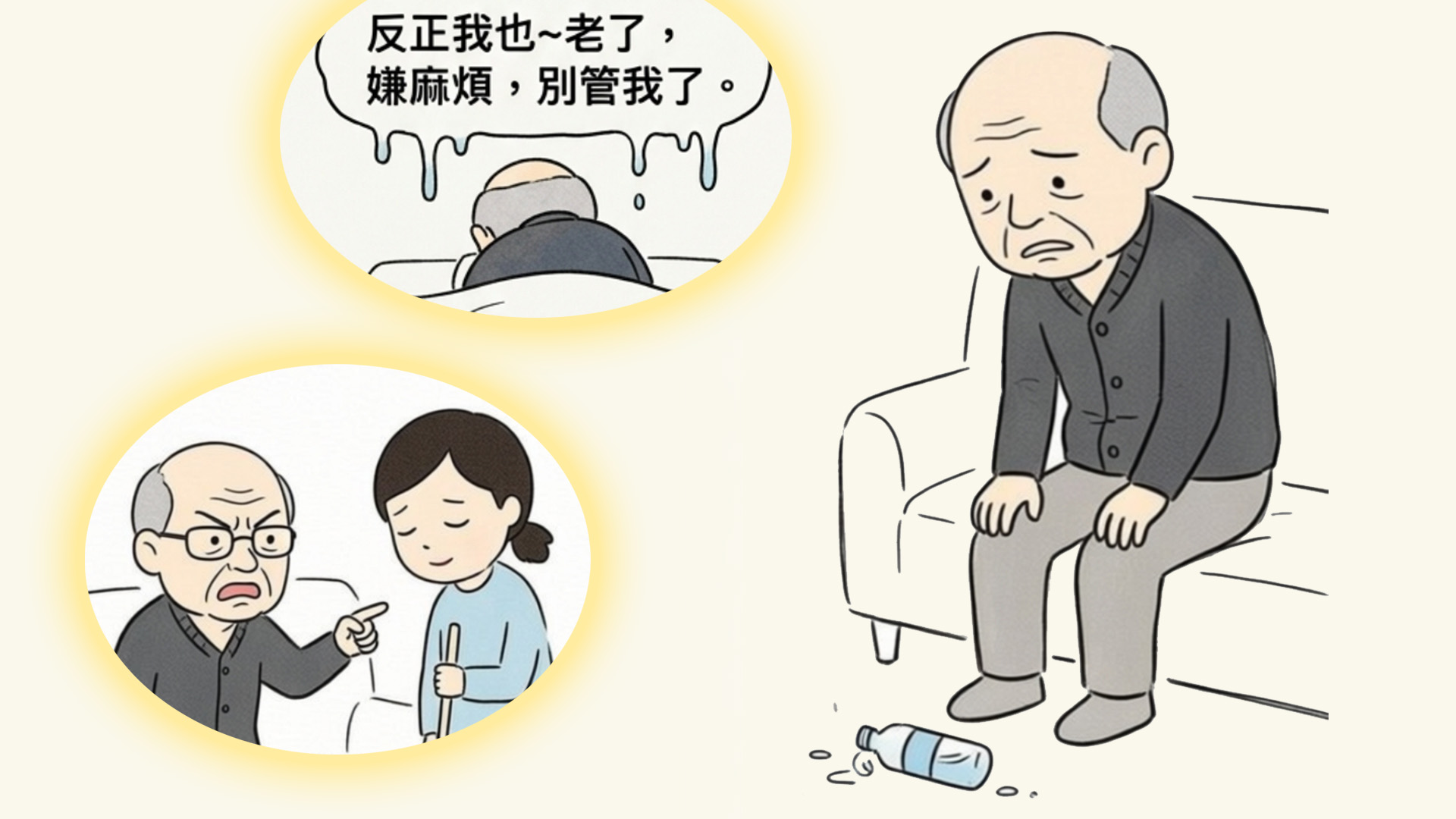
1. Why Do Physiological Changes Happen?
As age advances, the functions of an elder's organs gradually decline, and physical, sensory and cognitive abilities may all deteriorate, increasing risks to independent living and safety. When caregivers understand these common changes and take appropriate measures, it helps maintain function, improve quality of life and reduce accidents.
2. Common Physiological Changes
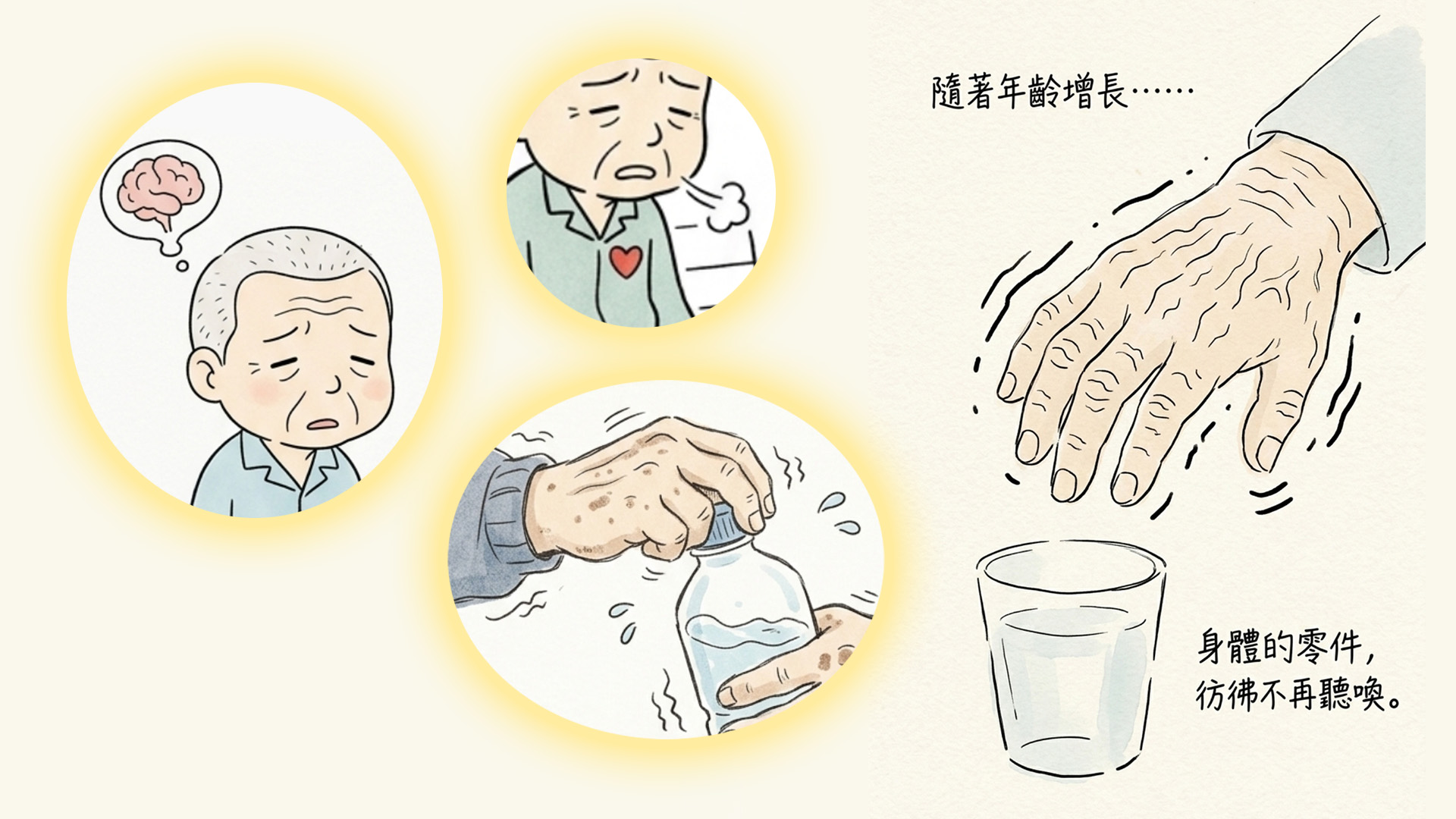
- Brain:Brain cell count and nerve transmission efficiency decline; memory fades, attention drops, and sleep patterns change.
- Ears:Hearing declines, especially in high-frequency ranges, with poor discrimination of background noise.
- Eyes:Vision deteriorates, contrast sensitivity drops, night vision worsens, and colour perception partially changes.
- Mouth/Teeth:Tooth loss or denture problems reduce chewing ability, affecting nutrition and digestion.
- Heart:Cardiac output and endurance decrease; fatigue and shortness of breath are common.
- Blood vessels:Arteriosclerosis and reduced blood supply increase the risk of blood pressure fluctuations.
- Muscles:Muscle strength and mass decrease (sarcopenia), and pelvic floor muscle function declines.
- Bones:Bone density decreases (osteoporosis), raising fracture risk.
- Respiratory system:Lung capacity and respiratory muscle function decline; swallowing and cough reflexes may weaken.
- Digestive system:Digestive juices and intestinal motility decrease, causing reduced appetite, swallowing difficulties and constipation.
- Urinary system:Kidney function deteriorates and bladder capacity/muscle strength decline; frequent night urination and incontinence are common, and men may have prostate enlargement.
- Nerve reflexes:Reflexes slow and balance worsens, increasing fall risk.
- Sensory organs:Vision, hearing, smell, taste and touch generally weaken.
- Skin:Sebum secretion decreases, leaving skin dry and prone to itching and cracking.
- Endocrine system:Hormone secretion changes (e.g. thyroid, insulin regulation), affecting metabolism and physical stamina.
3. Coping and Care Recommendations
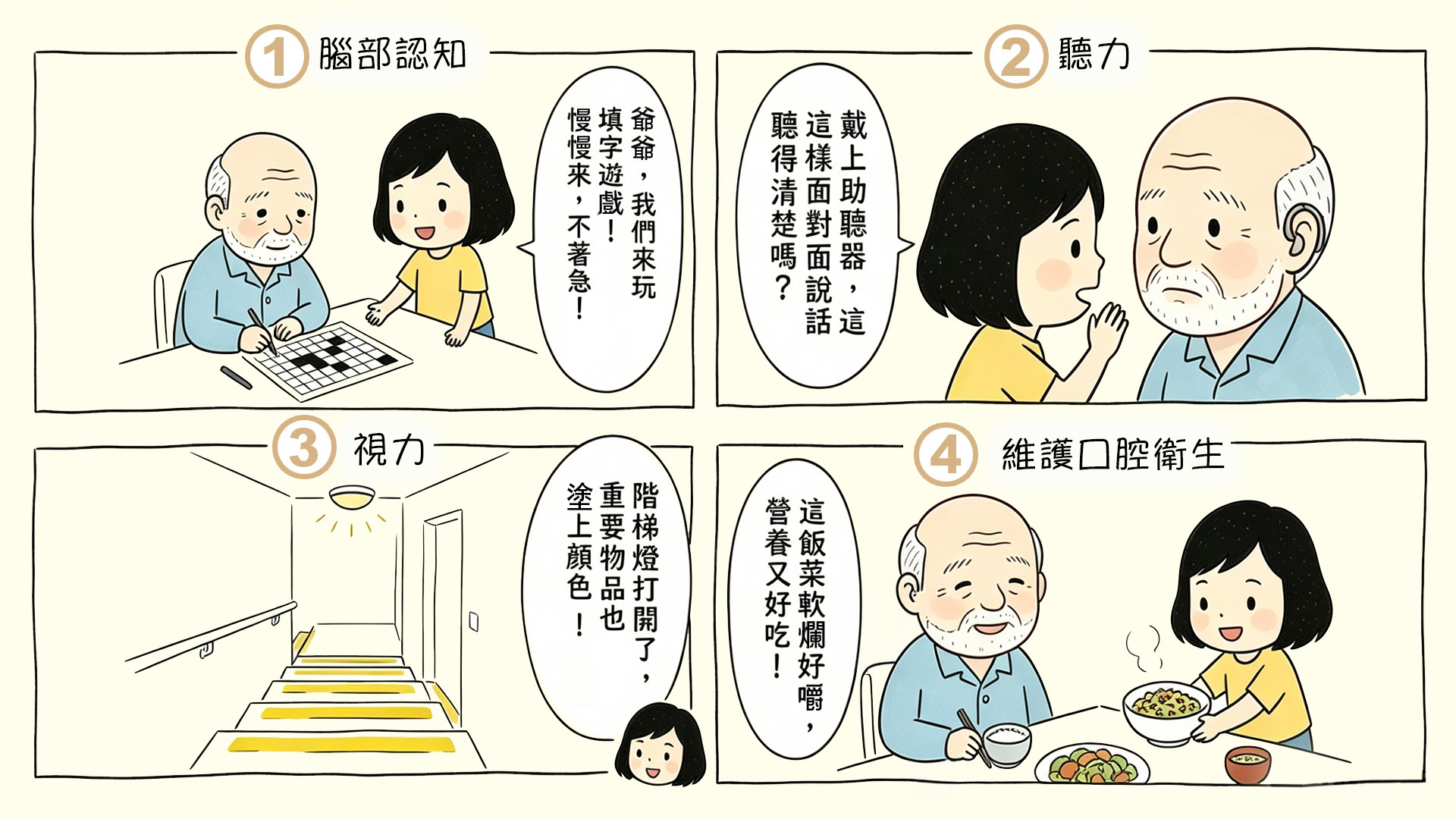
- Brain and cognition:Provide mental stimulation: reading, crosswords, board games, learning new things. Keep a regular routine and good sleep; speak slowly and allow time to respond.
- Hearing:Encourage hearing aids; communicate face to face, reduce background noise, and keep volume and pace moderate.
- Vision:Improve lighting (especially on stairs and in the toilet), mark important items with high-contrast colours, and have regular eye examinations and glasses.
- Oral health and diet:Maintain oral hygiene and check dentures; provide easy-to-chew, soft or finely cut food; eat a balanced diet with protein and fibre.
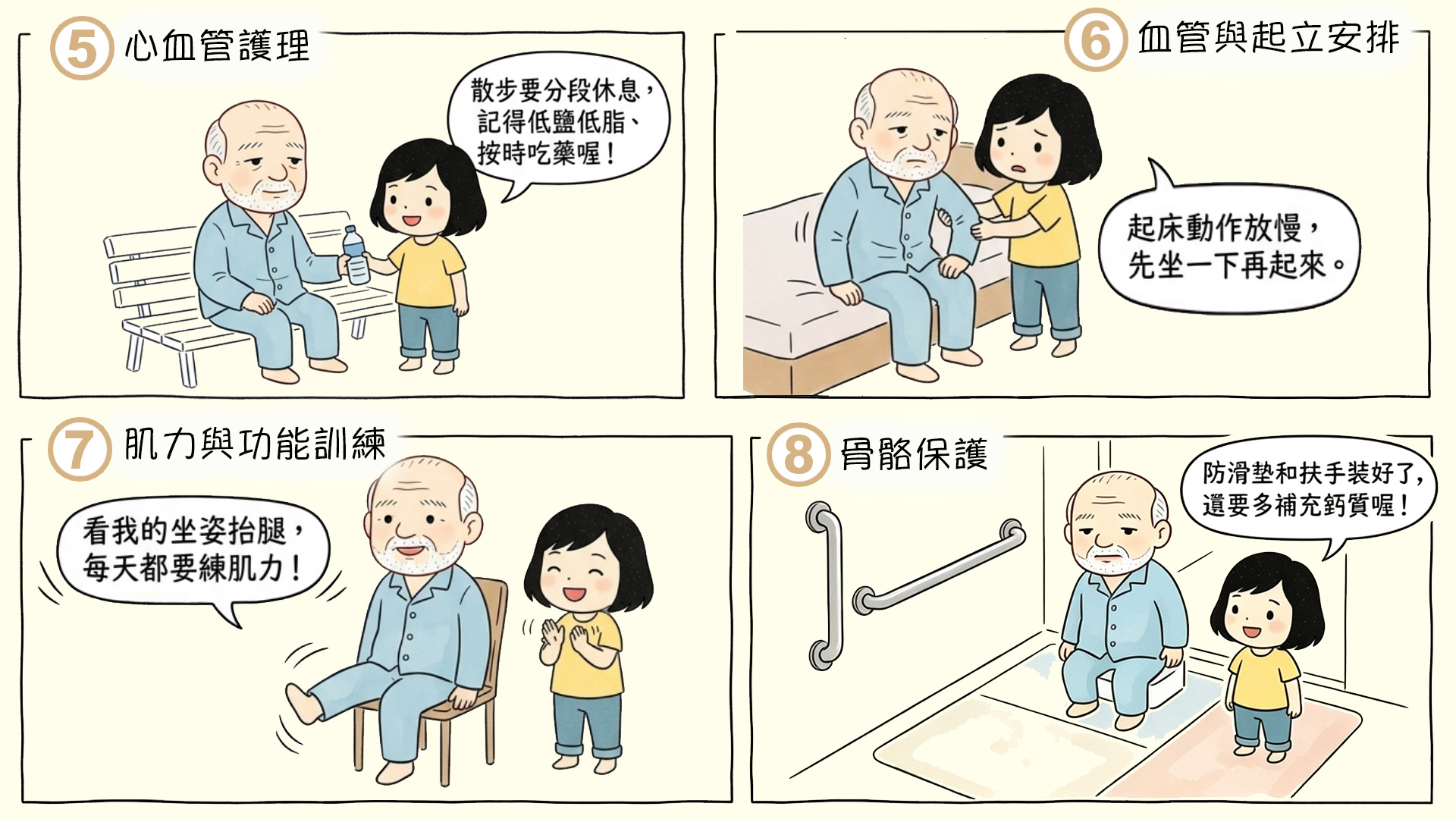
- Cardiovascular care:Break activity into segments with rest periods, follow a low-salt, low-fat diet, take medication as prescribed and attend regular follow-ups.
- Mind movement and posture:Move slowly when getting up or changing position, using a sitting transition when needed; maintain adequate fluid intake.
- Strength and functional training:Do regular strength and balance training (e.g. seated leg raises, standing practice, pelvic floor exercises) and encourage self-care to maintain function.
- Bone protection:Prevent falls at home (handrails, anti-slip mats, good lighting), supplement calcium and vitamin D, and have regular bone density checks.
- Breathing and swallowing safety:Sit upright when eating, take small bites and swallow slowly; those with swallowing difficulties should have a swallowing assessment and use appropriate food textures; get flu and pneumonia vaccines (as advised).
- Digestive care:Eat smaller, more frequent meals; increase dietary fibre and fluid intake.
- Urinary health and toilet training:Keep night-time lighting and pathways clear; provide a bedpan or commode chair; establish regular voiding habits, and men with difficulty urinating should see a doctor.
- Nerve and safety measures:Use a cane, walker or handrails; provide fall-prevention education.
- Sensory aids:Label important phone numbers and items; have annual vision and hearing checks.
- Skin care:Avoid overly hot bath water, apply moisturiser after bathing, wear breathable cotton clothing, and treat skin damage early.
- Endocrine and chronic disease management:Regularly check thyroid function, blood glucose and lipids; adjust medication and diet as prescribed and maintain balanced nutrition.
- Warning signs:Seek immediate medical attention for sudden change in consciousness, severe breathlessness, chest pain, persistent fever, acute vision or speech changes, inability to urinate, or significant fall injuries.
4. Practical Advice for Caregivers
- Keep medication and medical records and attend regular follow-ups;
- Work with the medical team, physiotherapists and dietitians;
- Give the elder emotional support and encourage social activities to reduce the risk of loneliness and depression;
- Take care of the caregiver's own physical and mental health.
Understand the nature of age-related decline in physical and sensory function and learn to use digital tools, so that tedious care work becomes more efficient. By systematising and digitising complex care needs, AngelCare not only helps elders receive proper care, but also makes communication between the care team and families more transparent and reassuring.
FAQ
Q1What is sarcopenia? How can you tell if an elder has it?
A1: Sarcopenia is age-related loss of muscle mass and strength. If the elder has noticeably weaker grip, difficulty rising from a chair, slower walking or unexplained weight loss, consult a doctor for strength and functional assessment and start training early.
Q2How should swallowing difficulties in seniors be managed?
A2: Sit upright when eating, take small bites and swallow slowly, and avoid talking while eating; food can be cut fine, cooked soft or puréed. If choking happens often or weight drops, seek a swallowing assessment from a speech therapist and adjust food textures as advised.
Q3How can frequent night urination in seniors be improved?
A3: Reduce fluid intake after early evening, use the toilet before bed, and keep night-time pathways lit and clear; set up a commode chair if needed. If accompanied by pain or difficulty urinating, see a doctor (men should watch for prostate issues).
Q4How can osteoporosis and falls in seniors be prevented?
A4: Supplement calcium and vitamin D, do moderate weight-bearing exercise (e.g. walking, tai chi), and have regular bone density checks; install handrails, anti-slip mats and adequate lighting at home to reduce fall risk.